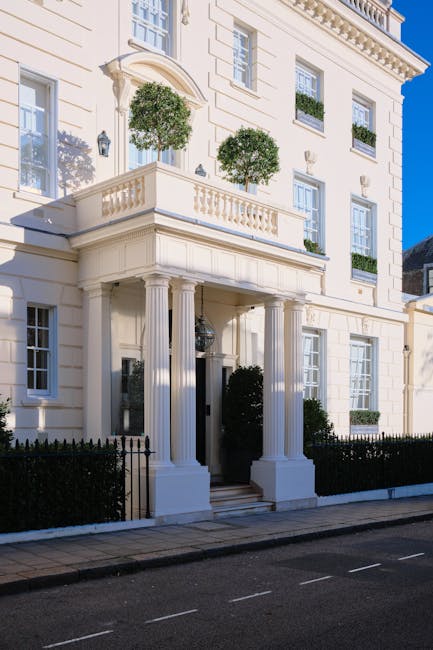
SE10 Flat Moving Removals Tips for Georgian Townhouses
Moving out of a flat in SE10 is never just about boxes and a van. If your home sits inside one of Greenwich's Georgian townhouses, there's a good chance you're dealing with narrow staircases, delicate bannisters, awkward landings, controlled parking, and neighbours who notice everything. That is exactly why SE10 flat moving removals tips for Georgian townhouses need to be practical, local, and a bit more thoughtful than the average moving checklist.
In this guide, you'll find straightforward advice for planning a flat move in a Georgian property, avoiding common access problems, protecting your belongings, and keeping the day as calm as possible. We'll also cover when it makes sense to use a professional team, how to prepare the building, and what to look out for if you have bulky furniture, tight turns, or time pressure. Truth be told, a well-run move in a townhouse can feel almost elegant. Almost.
Whether you are moving a studio flat on a high floor, a split-level apartment, or a period conversion with tight access, the goal is the same: fewer surprises, less stress, and a safer move from start to finish.
- Why these moving tips matter in SE10
- How flat removals in Georgian townhouses actually work
- Benefits of planning properly
- Who should use this guide
- Step-by-step moving guidance
- Expert tips for a smoother move
- Mistakes to avoid
- Useful tools and resources
- Compliance and best practice
- Choosing the right moving method
- A realistic moving example
- Practical checklist
- Conclusion
- Frequently asked questions
Table of Contents
- Why SE10 flat moving removals tips for Georgian townhouses Matters
- How SE10 flat moving removals tips for Georgian townhouses Works
- Key Benefits and Practical Advantages
- Who This Is For and When It Makes Sense
- Step-by-Step Guidance
- Expert Tips for Better Results
- Common Mistakes to Avoid
- Tools, Resources and Recommendations
- Law, Compliance, Standards, or Best Practice
- Options, Methods, or Comparison Table
- Case Study or Real-World Example
- Practical Checklist
- Conclusion
- Frequently Asked Questions
Why SE10 flat moving removals tips for Georgian townhouses Matters
Georgian townhouses in SE10 are lovely to live in, but they were not designed with modern furniture, heavy wardrobes, or same-day parking constraints in mind. That mismatch is where moving day gets tricky. A sofa that seems perfectly manageable in a new-build block can become a real puzzle when it reaches a narrow stairwell with a turning banister and a low ceiling. You know the sort of moment. Everyone goes quiet, someone measures twice, and then the sofa still does not quite fit.
Good planning matters because these homes often combine period features with shared access. That can mean smaller internal staircases, steep steps at the front door, awkward rear garden access, and limited space for loading. In SE10, local parking and street access can also affect timing, especially if your mover needs to keep a vehicle nearby while lifting items in stages.
There is also a neighbour factor. Georgian properties often sit in terraces or converted buildings where sound carries. If you keep the move organised, you reduce noise, door wedging, repeated trips, and the kind of bottlenecks that make a simple move feel messy. A calm removal day is not just nicer; it's usually faster and safer too.
If you are comparing services, it may help to look at a specialist flat removals option rather than assuming any standard home move will do the job. Flat moves in period buildings usually need more patience, more planning, and a better eye for access issues.
How SE10 flat moving removals tips for Georgian townhouses Works
At its simplest, a flat move in a Georgian townhouse follows the same broad pattern as any other move: survey the property, pack and label items, move belongings safely, and unload at the new address. The difference is in the details. In a townhouse, the route from front room to vehicle may involve several pinch points, and those little pinch points matter more than people expect.
Here is the practical flow most successful moves follow:
- Assess access early. Check the width of hallways, stair turns, ceiling height, outside steps, and parking access.
- Sort belongings by difficulty. Decide which items are easy, which are fragile, and which may need dismantling.
- Protect the building. Use coverings for floors, bannisters, and door frames where needed.
- Stage your boxes. Keep packed items near the exit, but not in a way that blocks the route. It sounds obvious, yet this is where moves get clumsy.
- Load in the right order. Put bulky or awkward items in first, then stack boxes and softer items around them.
- Unpack essentials first. Keep the day-two basics separate so you are not hunting for a kettle, charger, or bedding at midnight.
The smartest part of the process is usually the first part. If you know the staircase is too tight for a wardrobe, you can dismantle it in advance rather than discovering the problem while two people are sweating on the landing. That kind of pre-planning saves time and a bit of pride, if we are honest.
For larger or more complicated moves, a team that offers removal services can help coordinate loading, lifting, transport, and timing more efficiently than a last-minute DIY arrangement.
Key Benefits and Practical Advantages
A well-planned move in a Georgian townhouse does more than reduce stress. It protects your property, your belongings, and your schedule. That matters in SE10 because a small delay can have a knock-on effect: parking windows, lift bookings if you are moving into a block, completion timings, or a van waiting on a restricted street.
Here are the main advantages of doing it properly:
- Less damage risk. Tight corners and period features can scratch easily if items are rushed.
- Fewer lifting injuries. Furniture carried awkwardly on stairs is one of the easiest ways to strain your back or knock a wall.
- Faster loading. When items are labelled and staged well, the moving team keeps a steady rhythm.
- Lower stress on the day. You are not making decisions under pressure while the front door is open and the van is waiting.
- Better use of professional help. If you hire movers, they can spend their energy on moving rather than problem-solving every two minutes.
There is also a cost benefit, even when that is not immediately obvious. A more efficient move can reduce the time the team spends on site, which often means better value overall. You can compare options and request details through the page on pricing and quotes if you want to understand how services are typically priced and what affects the final figure.
Expert summary: In Georgian townhouse moves, the biggest wins come from early access planning, honest item assessment, and good packing discipline. If the building is awkward, the move should be designed around the building-not the other way round.
Who This Is For and When It Makes Sense
This advice is most useful if you live in, or are moving into, a Georgian townhouse in SE10, especially if the property has been converted into one or more flats. But it is not only for period-property owners. It also helps if you are moving:
- from a top-floor flat with narrow stairs
- from a split-level conversion
- from a furnished flat with larger items already in place
- with limited parking or loading access
- with fragile items, artwork, antiques, or specialist furniture
- on a tight deadline, such as a completion day or tenancy end date
If you are a student moving out of a rented room, you may still face the same access issues even if the volume is smaller. On the other hand, if you are moving a family home from a townhouse conversion, the challenge is usually volume plus awkward geometry. That is where a more experienced crew can make a real difference.
Sometimes the simplest question helps: can the item actually be carried safely, or does it need dismantling, wrapping, or an alternative route? That is the decision that changes the whole day.
For smaller household moves, a flexible option like man and van can be a sensible fit when you need help with loading, transport, and careful handling without booking a larger team than necessary.
Step-by-Step Guidance
Let's break the move down into a practical sequence you can actually use.
1. Walk the route before moving day
Start at the front door and follow the route your furniture will take. Look for sharp turns, low beams, narrow hallways, and any doors that might need to come off their hinges. It sounds a bit over-cautious, but a five-minute route check can save a lot of awkwardness later.
2. Measure your largest items
Measure sofas, mattresses, wardrobes, dining tables, and headboards. Then compare them to stair width and landing space. If something looks marginal, treat it as a likely dismantling job rather than a hopeful carry. Hope is not a lifting strategy.
3. Create a packing plan by room
Pack room by room and label boxes clearly. Mark fragile boxes, but also mark priority boxes for first-night use. If you want to cut chaos, a proper packing and boxes setup is worth its weight in tape.
4. Separate period-feature protection items
Keep blankets, corner protectors, tape, and floor coverings ready. Georgian stair rails and painted mouldings can be damaged by repeated bumps, especially in narrow passageways.
5. Decide what will be dismantled
Take apart beds, flat-pack wardrobes, and large shelving units in advance if possible. Put screws and fittings into labelled bags and tape them to the matching item. It is a tiny job that prevents a very annoying evening later.
6. Reserve loading space and keep it realistic
In SE10, parking is not something you "just sort out on the day" and hope for the best. Confirm your loading plan, check any permit needs, and leave a buffer. Period streets can be tight, and a few extra metres matter more than people think.
7. Load with the exit in mind
Place the first items to come off the van near the door at the new property. At the old property, keep fragile and awkward items protected until the end rather than handling them twice.
8. Keep essentials separate
Have one clearly marked essentials bag with documents, chargers, toiletries, tea, snacks, and a change of clothes. The kettle and mug situation has a mysterious way of becoming the most important part of the day.
Expert Tips for Better Results
There are a few things experienced movers notice quickly in Georgian townhouse jobs.
- Book earlier than you think you need to. Access-heavy moves are easier to schedule properly when there is time to assess the building.
- Do not overfill boxes. A small box full of books is manageable; a giant box full of books is a back injury waiting politely in the corner.
- Use consistent labels. Room name, contents, and priority level are usually enough.
- Keep stairwells clear. One open box left on a landing is all it takes to slow the entire process.
- Photograph cable setups. Especially for TVs, routers, and desks. You will thank yourself later, probably while holding a mysterious black wire.
- Protect corners, not just surfaces. The corners of walls, bannisters, and furniture edges take the brunt of movement.
And one more, from experience: tell movers about the awkward bit before they find it. People do not mind planning for a tight staircase. They do mind discovering it at the exact moment they are carrying a mirror.
If you are moving a heavier or more delicate item, such as a piano or upright instrument, specialist handling is usually the better route. A page like piano removals can be relevant when the item's weight, size, or shape makes standard carrying unsafe.
Common Mistakes to Avoid
Most moving headaches in period flats come from a handful of avoidable mistakes. Nothing dramatic. Just little decisions that stack up.
- Assuming all furniture will fit. Georgian staircases can be deceiving. An item that clears the doorway may still fail at the turn.
- Leaving packing too late. Last-minute packing leads to broken items, poor labels, and a lot of "where did I put that?"
- Ignoring the outside route. Front steps, shared entrances, and pavement width matter as much as the staircase.
- Not checking parking access. If the van cannot get close enough, the move slows down fast.
- Overlooking insurance and safety. Good movers should be clear about how they handle risk and what protections apply.
- Trying to move everything yourself. A couple of friends and a borrowed trolley can work for a small move, but period buildings are not always forgiving.
The most common emotional mistake is underestimating how tiring moving day feels. It looks manageable on paper. Then it is 2:40 p.m., the stairwell is warm, and somebody is trying to angle a mattress past a banister without touching the paintwork. Not ideal.
For larger household moves or when you need more hands on site, consider house removals or house removalists if your move is part of a bigger transition and you want structured support rather than just transport.
Tools, Resources and Recommendations
You do not need a truckload of specialist kit, but a few practical tools make a townhouse move much smoother.
| Tool or resource | Why it helps | Best used for |
|---|---|---|
| Measuring tape | Checks stair widths, doors, furniture and turning space | Large items, wardrobes, sofas, mattresses |
| Strong boxes | Protects items and keeps loads stackable | Books, kitchenware, clothing, mixed household goods |
| Labels and marker pens | Makes unloading faster and reduces confusion | Room-by-room sorting |
| Furniture blankets | Helps protect woodwork and polished furniture | Bannisters, table edges, mirrors, cabinets |
| Allen keys and screw bags | Speed up dismantling and reassembly | Beds, modular furniture, shelving |
Useful planning resources also include your tenancy documents, building access notes, and any instructions from your landlord or managing agent. If you need storage between move-out and move-in, that can take pressure off the day and give you time to stage your belongings properly. A short-term option like storage is often practical when completion dates do not align perfectly.
If you want a broader moving solution, removals can cover a full move, while removal van or moving truck options may suit different volumes and access situations. The right choice depends on the size of your load, the stair situation, and how much help you actually need.
Law, Compliance, Standards, or Best Practice
Moving a flat in SE10 may look like a practical job, but there are still a few compliance and best-practice points worth keeping in mind. Parking restrictions, loading rules, property access, building management requirements, and insurance expectations can all affect the day. If you live in a managed building, it is sensible to check any move booking rules, lift protection requirements, or time windows in advance.
For safety, a good removal process should include sensible lifting methods, route protection, and clear communication. If a mover has public liability or goods-in-transit cover, you should understand what that means in plain English before the move. The details matter more than the phrase on the page. If you want to understand how a company approaches risk and handling, the page on insurance and safety is the kind of place to look.
Best practice also includes treating neighbours and shared areas respectfully. That means not blocking entrances longer than necessary, keeping noise reasonable, and avoiding damage to common parts. In period homes, a little care goes a long way. So does a good old-fashioned check-list, to be fair.
If you are reading the small print too, which is wise, the pages on terms and conditions and privacy policy can help you understand booking expectations and how your information is handled. For secure payment handling, see payment and security.
Options, Methods, or Comparison Table
Choosing the right moving method depends on how much you have, how awkward the building is, and how much help you want on the day. Here is a simple comparison to make that clearer.
| Option | Best for | Strengths | Watch-outs |
|---|---|---|---|
| DIY move | Very small loads and flexible timing | Lower direct cost, simple planning | Heavy lifting, more risk, slower in awkward buildings |
| Man and van | Small to medium flat moves | Flexible, practical, good for access-heavy jobs | May need careful planning for bigger furniture |
| Full removal service | Larger flats, family moves, period-property moves | More support, better coordination, less stress | Usually costs more than a small transport-only option |
| Storage plus move | Delayed completions or downsizing | Gives breathing room, reduces same-day pressure | Extra coordination needed |
For example, a top-floor one-bedroom flat with a narrow stair run might be better suited to a smaller vehicle and careful loading, while a larger conversion with multiple bulky items may need a more complete moving setup. If you are unsure, start with the access question. The building usually tells you what kind of move it wants.
Case Study or Real-World Example
A common SE10 scenario goes like this: someone is moving out of a second-floor Georgian conversion with a curved staircase, a large sofa, two bookcases, a bed frame, and a good number of kitchen boxes. The flat is lovely, but the staircase turns sharply halfway down and the front step leaves very little standing room outside.
Instead of guessing, they measure the sofa and realise it will not turn safely without dismantling one arm. They also notice the bed frame needs to come apart before the move, not after the van arrives. Boxes are labelled by room, and the essentials bag is kept separate. The mover is told about the landing width in advance, so the loading plan is adjusted before the team sets off.
The result is simple: fewer delays, less carrying back and forth, and no damage to the walls or bannister. Nothing flashy. Just a move that feels controlled. The oddest part is often how quiet the day becomes once the plan starts working. No panic. No improv. Just steady progress.
That is really the point of good Georgian townhouse moving advice. It is not about making the move perfect. It is about making it predictable.
Practical Checklist
Use this checklist in the final 48 hours before moving day:
- Measure large furniture and confirm it can fit through the route
- Confirm parking, loading access, and building entry details
- Book or confirm your chosen moving support
- Pack fragile items separately and label them clearly
- Dismantle beds, shelves, or wardrobes if needed
- Protect floors, corners, and bannisters where possible
- Set aside essentials for the first night
- Keep keys, documents, and chargers in one easy-to-reach place
- Tell movers about any awkward stairs, low ceilings, or access restrictions
- Walk the route one more time before the van arrives
Quick takeaway: If a Georgian townhouse move in SE10 feels complicated, that's normal. The trick is not to fight the building. Work with it, plan around it, and let the move unfold in the right order.
Get a free quote today and see how much you can save.
Conclusion
SE10 flat moving removals tips for Georgian townhouses are really about respect for the property, realism about access, and sensible organisation. If you plan the route, measure the furniture, pack with purpose, and choose the right level of help, even a tricky period-building move becomes much easier to handle.
That is the quiet win here: less scrambling, fewer surprises, and a move that feels like a process instead of a crisis. Georgian townhouses have their quirks, but they are perfectly manageable when the move is designed around them. And once the last box is inside, you get that oddly lovely moment of stillness. New place, old building, fresh start.
If you want support that matches the realities of a flat move in a period property, it helps to work with a team that understands access, care, and timing from the start. A little planning goes a long way.
Frequently Asked Questions
What makes SE10 flat moves in Georgian townhouses more difficult?
The main issues are narrow staircases, tight landings, period features, and limited parking or loading space. Items that seem manageable in a modern block can be awkward in a Georgian conversion.
Should I measure my furniture before booking removals?
Yes. Measuring large items and checking the route helps you spot problems early. It is much easier to dismantle something in advance than to discover it cannot turn on the staircase.
Is a man and van service enough for a flat in SE10?
It can be, especially for smaller loads or short moves. For larger flats, awkward access, or fragile furniture, a more complete moving setup may be better.
Do I need to dismantle my bed and wardrobe?
Often, yes. Beds, modular wardrobes, and shelving units are among the most common items that need dismantling for Georgian townhouse moves.
How far in advance should I plan the move?
As early as you can. Period-property moves benefit from extra time because access checks, parking, and packing all take a bit more thought.
What should I pack separately for the first night?
Keep bedding, toiletries, chargers, snacks, basic kitchen items, and any medication you need handy. A clearly labelled essentials bag saves a lot of faff.
Are Georgian townhouse moves more expensive?
They can be, depending on access, item volume, and the time needed. The building layout often has more to do with cost than the postcode itself.
How do movers protect period features?
Good movers use blankets, corner protection, careful lifting, and sensible route planning to reduce the chance of scratches or knocks to bannisters, walls, and door frames.
Can I move everything myself to save money?
You can, but it is worth being realistic about the risks. Heavy lifting on tight staircases is not the place to wing it, especially with delicate furniture or shared access.
What if my move-out and move-in dates do not line up?
That is where temporary storage can help. It gives you time to bridge the gap without rushing the whole move.
What if I need help with packing as well as transport?
Then a combined service can make sense. Options such as packing and unpacking services can reduce stress and help protect fragile items properly.
How do I know which moving service is right for me?
Start with your item list, the access route, and your timeframe. If the move is small and straightforward, a smaller service may be enough. If it is a larger flat or a tricky townhouse, choose a fuller removal option.