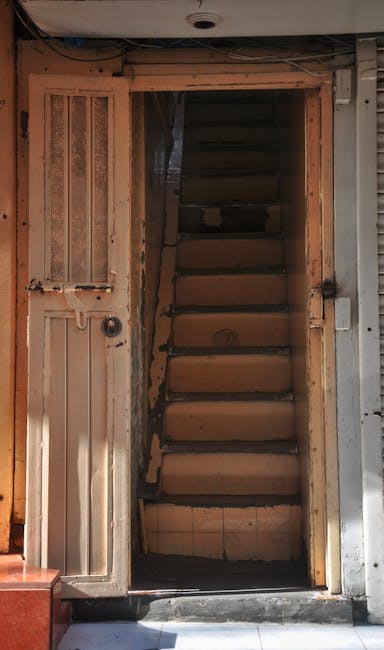
Narrow staircase solutions for Greenwich home removals
Moving house in Greenwich is often straightforward on paper, then suddenly the staircase changes the whole mood of the day. A hallway that looked generous during the viewing turns into a tight, awkward route once a sofa, wardrobe, or mattress has to go up or down it. That is where Narrow staircase solutions for Greenwich home removals come in: the planning, techniques, equipment, and calm decision-making that make a difficult access job feel manageable instead of chaotic.
If you live in a period terrace, a converted flat, a maisonette, or even a newer build with a sharp turn on the stairs, this topic matters more than most people expect. One badly judged lift can damage the furniture, the paintwork, or worse, someone's back. The good news? Tight access is not unusual, and with the right approach it is very workable. Let's break it down in plain English, with practical steps you can actually use.
Table of Contents
- Why Narrow staircase solutions for Greenwich home removals Matters
- How Narrow staircase solutions for Greenwich home removals Works
- Key Benefits and Practical Advantages
- Who This Is For and When It Makes Sense
- Step-by-Step Guidance
- Expert Tips for Better Results
- Common Mistakes to Avoid
- Tools, Resources and Recommendations
- Law, Compliance, Standards, or Best Practice
- Options, Methods, or Comparison Table
- Case Study or Real-World Example
- Practical Checklist
- Conclusion
- Frequently Asked Questions
Why Narrow staircase solutions for Greenwich home removals Matters
Narrow staircases are one of those moving-day problems that people underestimate until they are standing in the hallway with a bulky item and nowhere sensible to turn it. In Greenwich, that often means older properties, split-level homes, compact flats, or homes where the stairwell simply was not designed with modern furniture in mind. Truth be told, a lot of domestic removals become tricky not because the move is large, but because one or two items are just too awkward for the route.
This matters because access affects almost every part of the move: how long loading takes, how many people are needed, what protective materials should be used, and whether certain items need dismantling before moving day. It also affects risk. A narrow stairwell can create pinch points, low head clearance, sharp turns, and poor footing. If you have ever heard a wardrobe scrape a wall, you will know the sound. It is not pleasant.
There is also the emotional side. Moving is already a bit full-on, to be fair. If the access is awkward, people can become rushed, flustered, or overconfident. A thoughtful plan takes pressure off everyone. That is the real value here: fewer surprises, less damage, and a move that feels controlled rather than improvised.
How Narrow staircase solutions for Greenwich home removals Works
At a practical level, narrow staircase solutions are a combination of assessment, preparation, protection, and movement technique. The aim is not to force everything through the stairs. The aim is to decide the safest and most efficient way to move each item through the available space.
The process usually starts with a visual assessment. Someone checks the stair width, the shape of the turns, bannister clearance, ceiling height, door swing, and landing space. A small item might be fine. A king-size bed frame may not be. Sometimes the answer is to angle and pivot carefully. Sometimes it is to dismantle the item. And sometimes, frankly, the stair route is not the best route at all.
In many Greenwich home removals, the solution involves a few techniques working together:
- Dismantling large furniture so it can be carried in manageable sections.
- Using protective covers on walls, banisters, floors, and corners.
- Reframing the carry angle to fit turns and landings.
- Assigning enough people so weight is shared properly.
- Re-routing items via windows, balconies, or alternative exits where appropriate and safe.
Professional movers often check the access before the main load-out begins, and sometimes before the move date if the job is particularly tight. That early look makes a huge difference. It sounds simple. It is simple. But it saves a lot of grief later.
Key Benefits and Practical Advantages
The biggest benefit of good narrow-staircase planning is obvious: your belongings are more likely to arrive without damage. But the advantages go beyond that.
- Less stress on moving day - everyone knows the plan, so there is less stop-start confusion.
- Reduced risk of injury - awkward lifts and surprise turns are where people get caught out.
- Better protection for the property - bannisters, skirting boards, paintwork, and flooring are less likely to take a beating.
- More accurate timing - jobs with tight access usually take longer, and planning helps avoid running over.
- Smarter use of vehicles and labour - the right team and right vehicle size can prevent wasted trips.
There is also a quieter benefit that people often appreciate only afterwards: confidence. When the access has been thought through, the move feels less like a gamble. You stop second-guessing every item and start dealing with the day in a calm, practical way. That matters more than people think.
If you are comparing moving support options, it is worth looking at broader removal services and the kind of property access they are suited to. For homes with especially tight layouts, you may also find a smaller vehicle approach through man and van or removal van arrangements more flexible than a larger truck setup.
Who This Is For and When It Makes Sense
This is for anyone whose home has limited stair access, but some situations come up again and again.
- Victorian or Edwardian terraces with steep, turning staircases.
- Converted flats where original features left little room for modern furniture.
- Maisonettes and duplexes with tight internal access between floors.
- Student moves with narrow shared stairwells and lots of boxes.
- Families moving bulky furniture like wardrobes, sofas, cots, or beds.
- Older residents downsizing where heavy items need sensitive handling.
It also makes sense if you already know certain items are awkward. A sofa that barely cleared the old stairwell will not suddenly become easier on moving day. And if your building has fragile walls, communal hallways, or limited parking outside, the access issue becomes even more important.
For flats with compact circulation spaces, a dedicated flat removals approach is often the right fit. If you are moving between rooms, storage, or multiple destinations, a broader home moves plan can help keep the whole day joined up instead of dealing with each obstacle separately.
Step-by-Step Guidance
If you are trying to work out how to handle a narrow staircase properly, here is the practical sequence that usually works best.
- Measure the staircase and landings. Check width, head height, turns, and any tight door frames nearby. Do not guess. It is amazing how often a "seems fine" staircase turns out to be less fine once a mattress is in the air.
- List the awkward items first. Sofas, wardrobes, bed bases, dining tables, white goods, and large mirrors should be identified early.
- Decide what can be dismantled. Remove legs, handles, shelves, doors, or headboards where appropriate. Keep screws and fittings bagged and labelled.
- Protect the route. Use floor covers, corner guards, quilted blankets, and bannister protection before moving anything heavy.
- Assign the carry plan. Decide who leads, who supports, and who watches the route. Clear communication is everything.
- Move one item at a time. Narrow stairs punish rushing. Slow is often faster, which sounds annoying but is true.
- Pause at landings. Re-angle items carefully rather than forcing the turn.
- Use alternatives if needed. If the route becomes unsafe, stop and rethink. A different angle, a different team size, or a different route may solve it.
One simple but useful rule: if you have to fight the item, the item is probably winning. That is usually the moment to stop and reset.
Expert Tips for Better Results
Here are the little things that often make a big difference in narrow-stair jobs.
- Pack the boxes smaller than you think you need to. A lighter box is easier to twist on a landing and far less likely to slip.
- Keep the stairwell clear before the team arrives. Shoes, plant pots, prams, and random hallway clutter all steal valuable space.
- Use blankets before tape where possible. Tape can damage finishes if it is used carelessly on painted surfaces or delicate wood.
- Take doors off hinges only when sensible. Sometimes that extra inch of clearance is the difference between a smooth carry and a complete jam-up.
- Plan for the return trip too. Moving items out is one thing; getting the new sofa or wardrobe in is the part people forget.
If you are packing in advance, professional packing and boxes support can be a lifesaver, especially when you need sturdier cartons and a more consistent way to label what goes where. For full service handling, packing and unpacking services can reduce the last-minute scramble that so often happens around tight access homes.
Another good habit: photograph tricky items before dismantling them. Not glamorous, admittedly, but very handy when you are rebuilding a bed at 8:30 in the evening and one bolt seems to have vanished into another dimension.
Common Mistakes to Avoid
Most access problems are not caused by the staircase itself. They are caused by assumptions. Here are the ones that cause the most trouble.
- Assuming the furniture will "just fit". Measure properly. Guessing is expensive.
- Leaving dismantling until moving morning. That is how jobs get delayed and tempers rise.
- Underestimating the turning radius. A straight measurement is not enough if there is a corner or half-landing.
- Forcing heavy items around bends. This risks both the item and the wall.
- Not protecting the route first. It is much easier to prevent damage than clean it up later.
- Using too few people. One extra pair of hands can be the difference between control and chaos.
There is also a subtle one: trying to stay polite and calm while everyone is already struggling. We have all done it. But when the stairwell is too tight, a quick pause and a clear reset beat a rushed "carry on" almost every time.
Tools, Resources and Recommendations
You do not need a van full of specialist equipment to deal with a narrow staircase, but the right tools make the process much safer.
- Furniture blankets for corners and surfaces.
- Floor runners to protect halls, landings, and stairs.
- Corner guards for paintwork and plaster edges.
- Straps and gloves for grip and load control.
- Basic dismantling tools such as screwdrivers, Allen keys, and a small toolkit.
- Labels and sealable bags for fittings and small parts.
For bigger or more complex moves, a heavier-duty vehicle may be useful. If access is tight but the load is still substantial, consider whether moving truck support is really the right fit or whether a smaller, more manoeuvrable setup would be easier around Greenwich streets and home entrances. In some cases, a broader removal van option is the more sensible middle ground.
If the move creates a gap between homes, or if you need to stage items because the staircase access is too limited on one side, storage can be a practical pressure-release valve. It is not fancy, but it can make a tight move feel a lot more manageable.
Law, Compliance, Standards, or Best Practice
With domestic removals, the main compliance concern is usually safety rather than paperwork. In UK practice, movers and households alike should think in terms of reducing manual handling risk, protecting property, and making sure the job is carried out responsibly. That means planning loads sensibly, avoiding unsafe lifting, and not sending people up and down a staircase with items they cannot safely control.
Best practice also means being honest about limitations. If a stairwell is too tight for a wardrobe, it is better to say so early than to discover it while half the item is already wedged on a landing. That honesty is not a sign of weakness. It is good professional judgment.
For moving companies, working safely is tied to clear site assessment, insurance awareness, and sensible handling methods. You can learn more about these principles in the company's own health and safety policy and insurance and safety information. Those pages matter because narrow-stair jobs are exactly where careful procedures earn their keep.
There is also a simple customer-side point: if a building has restrictions, communal access rules, or delicate shared areas, raise them early. A bit of advance notice is rarely wasted.
Options, Methods, or Comparison Table
Not every narrow staircase move should be handled the same way. The right method depends on the item, the route, and the time available.
| Method | Best for | Advantages | Limitations |
|---|---|---|---|
| Careful carry on the stairs | Smaller furniture, boxes, light household items | Fast, straightforward, minimal disruption | Not suitable for bulky or fragile items |
| Dismantling furniture | Wardrobes, beds, tables, some shelving | Improves fit, reduces strain, safer on corners | Takes time and requires reassembly later |
| Two- or three-person carry | Medium-heavy items with awkward turns | Better control and balance | Needs coordination and clear communication |
| Alternative route or access point | Oversized items, especially on very tight staircases | May solve the problem entirely | Depends on building layout and safety |
In practice, the best solution is often a mix. A bed frame might be dismantled, a sofa might be carried with three people, and boxes might go up normally. That mixed approach is normal. It is not a sign of poor planning. It is usually the opposite.
Case Study or Real-World Example
A typical Greenwich example: a two-bedroom flat in a converted Victorian property, with a narrow staircase that turns sharply after the first flight. The residents assumed the large sofa, bed base, and dining table would all be carried the same way they came in. On moving day, the sofa was the first problem. It fit partway, then stalled at the turn because the landing was too small to pivot comfortably.
Instead of pushing it, the team paused. The sofa feet were removed, the item was wrapped for protection, and the carry angle was adjusted so it could be rotated in a slower, controlled motion. The bed base was dismantled, and the dining table legs came off before removal. Boxes were then moved after the heavier items so the route stayed clear. The whole thing took longer than a house with wide stairs, obviously, but it stayed controlled and damage-free.
The useful lesson? The "problem item" is often only a problem if you try to treat every object the same way. Once each thing is matched to the right method, the move becomes much less dramatic. Not easy, exactly. But manageable.
Practical Checklist
Use this checklist before moving day if your home has a narrow staircase.
- Measure stair width, landings, and ceiling clearance.
- Identify the largest and heaviest items early.
- Check whether furniture can be dismantled.
- Pack boxes to a manageable weight.
- Protect stairs, walls, banisters, and flooring.
- Clear hallways, doorways, and the top and bottom of the stairs.
- Decide who will lead the carry and who will spot hazards.
- Confirm parking or loading access outside the property.
- Set aside tools, tape, and label bags in one easy-to-reach place.
- Have a backup plan if an item will not safely fit.
Quick expert summary: narrow staircases are not a deal-breaker; they are a planning task. Measure first, protect the route, reduce item size where possible, and never force a carry when the angle feels wrong. That one decision can save the whole day.
Conclusion
Narrow staircase solutions for Greenwich home removals are really about one thing: turning a stressful access challenge into a controlled moving plan. If you measure properly, dismantle where needed, protect the route, and choose the right method for each item, a tight staircase becomes an inconvenience rather than a disaster.
Greenwich homes come with character, and sometimes that character includes a staircase that seems to have been designed for a different century. Fair enough. With the right preparation, though, you can still move safely, keep the property protected, and get everyone through the day with fewer bruises, fewer delays, and a lot less muttering under the breath.
If your move involves difficult access, choose help that understands the route as well as the furniture. A careful approach is worth more than a hurried one, every time.
Get a free quote today and see how much you can save.
Frequently Asked Questions
What counts as a narrow staircase in a home removal?
Usually it is any staircase that makes turning, lifting, or passing furniture awkward. That might be because of width, sharp landings, low ceilings, or an odd turn. If you have to twist items carefully to get them through, it probably counts.
Can a sofa be moved up a narrow staircase?
Sometimes, yes. It depends on the sofa's length, height, flexibility, and whether the legs can be removed. A careful angle and enough hands can make a big difference, but some sofas are simply better moved by another route or in sections.
Should I dismantle furniture before a move?
If it is bulky, yes, often that is the smartest move. Beds, wardrobes, tables, and shelving units are common candidates. Dismantling reduces strain and gives you more control on tight stairs.
How do movers protect walls and banisters on narrow stairs?
They typically use blankets, floor runners, and corner protection. The key is to protect the route before heavy items start moving. Once the carry begins, there is no time to be hunting for tape.
Is it better to use a small van for a tight-access move?
Often it can be. A smaller vehicle can be easier to position outside a Greenwich property, especially where parking and street space are limited. The best choice depends on the volume of belongings and the access conditions.
What items are hardest to move on narrow staircases?
Large mattresses, wardrobes, sofas, glass-topped tables, and awkwardly shaped exercise equipment are common troublemakers. Heavy items with no good handholds tend to be the real headache.
How long does a narrow staircase move usually take?
Longer than a standard move, because each item needs more care. The exact time varies a lot depending on what is being moved and whether anything needs dismantling. A tricky stairwell can slow things down quite a bit.
Can I move everything myself if the stairs are tight?
For small loads, perhaps. But if you have heavy furniture or fragile items, it is usually safer to get help. One awkward lift on a narrow landing can go wrong very quickly.
What should I tell the removals team before moving day?
Tell them about stair width, low ceilings, tight turns, parking issues, and any items that will need dismantling. The more specific you are, the easier it is to plan properly.
Do narrow stairs affect the price of a home removal?
They can affect the quote because they may increase the time, labour, or equipment required. A realistic assessment helps avoid surprises later. For a clearer estimate, it is sensible to review pricing and quotes early in the process.
What if a large item will not fit at all?
Then the team needs to stop and assess alternatives. That might mean dismantling the item, using a different route, or moving it through a storage or staging plan first. For oversized or especially valuable items, specialist handling is often the safer answer.
Are narrow staircase removals common in Greenwich?
Yes, they are fairly common in homes with older layouts, conversions, and compact urban access. It is not unusual at all. Once you know what to look for, the problem becomes much easier to manage.